Botox & Filler Lab

Botox for Plantar Fasciitis

Relief that starts at the source of heel pain, using focused Botox placement for chronic plantar fascia tension and overactive foot muscles.

What it is

A more targeted option when heel pain keeps returning.

Plantar fasciitis can make every step feel negotiated. Botox for plantar fasciitis is designed for chronic heel pain linked to tight, overactive foot muscles and repeated irritation of the plantar fascia.

Read more

Rather than broadly masking discomfort, Botox temporarily reduces nerve signaling and muscle activity in carefully selected areas of the foot. The goal is less tension, less pain signaling, and more room for recovery.

Best considered after evaluation

Your provider maps the pain pattern first, then determines whether Botox placement fits your foot mechanics and treatment history.

01 Focused pain relief

Targets the area where pain signaling and plantar fascia strain are most active.

02 Muscle relaxation

Helps quiet overactive support muscles that may continue pulling on the fascia.

03 Movement support

May support easier walking, better activity tolerance, and more comfortable daily movement.

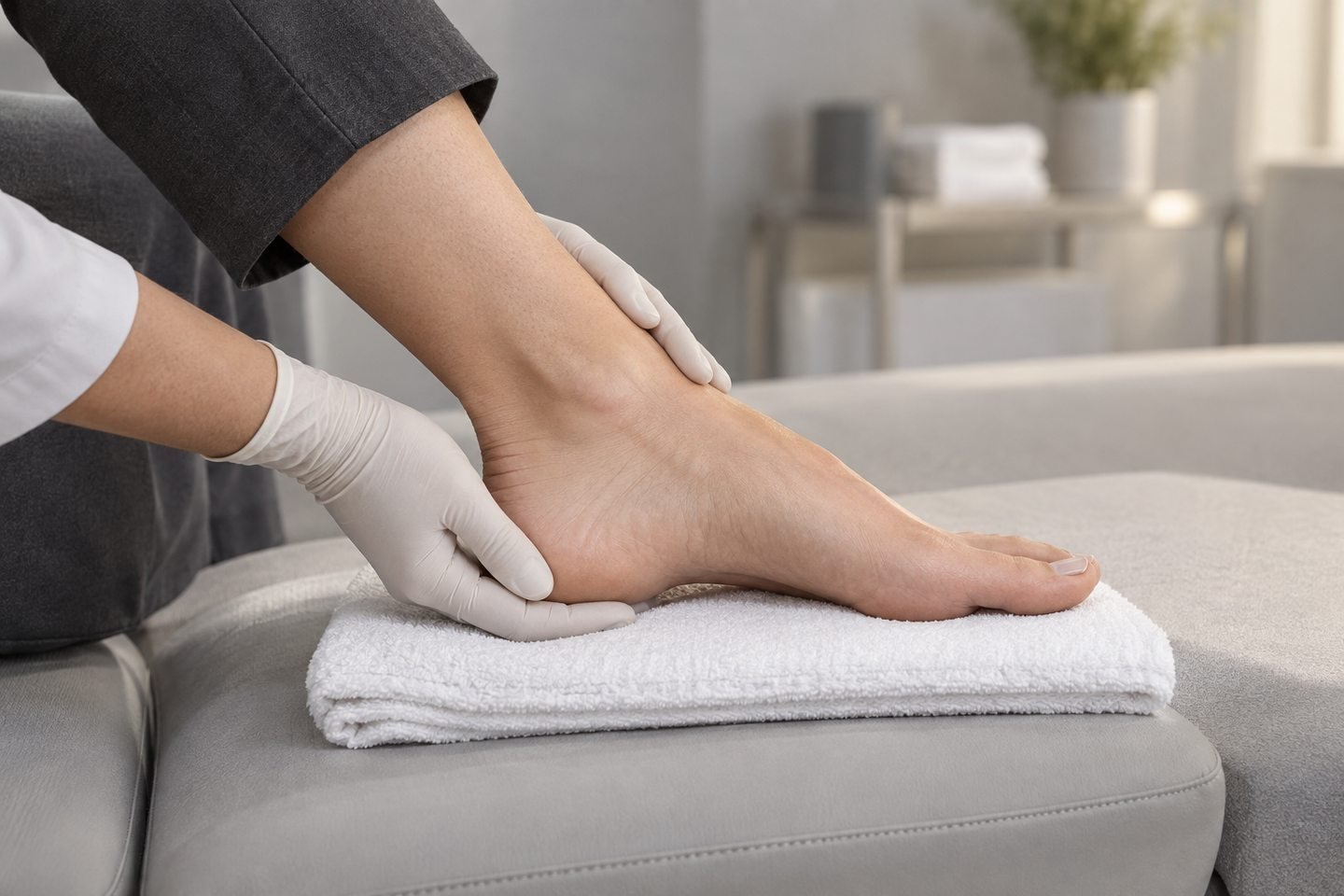
Foot and ankle mobility evaluation
Treatment flow

Precise placement, guided by your pain pattern.

When stretching, rest, orthotics, or physical therapy have not been enough, treatment can be mapped around the affected fascia area or nearby supporting muscles such as the flexor hallucis brevis or abductor hallucis.

See more Show less
01

Evaluate

Your provider reviews pain history, activity demands, and the areas that reproduce heel discomfort.

02

Map

The injection plan is tailored to the painful area and nearby structures contributing to tension.

03

Treat

Small amounts of Botox are placed with a precise technique in-office, typically with minimal downtime.

Why patients consider it

Built around less strain, steadier steps, and daily function.

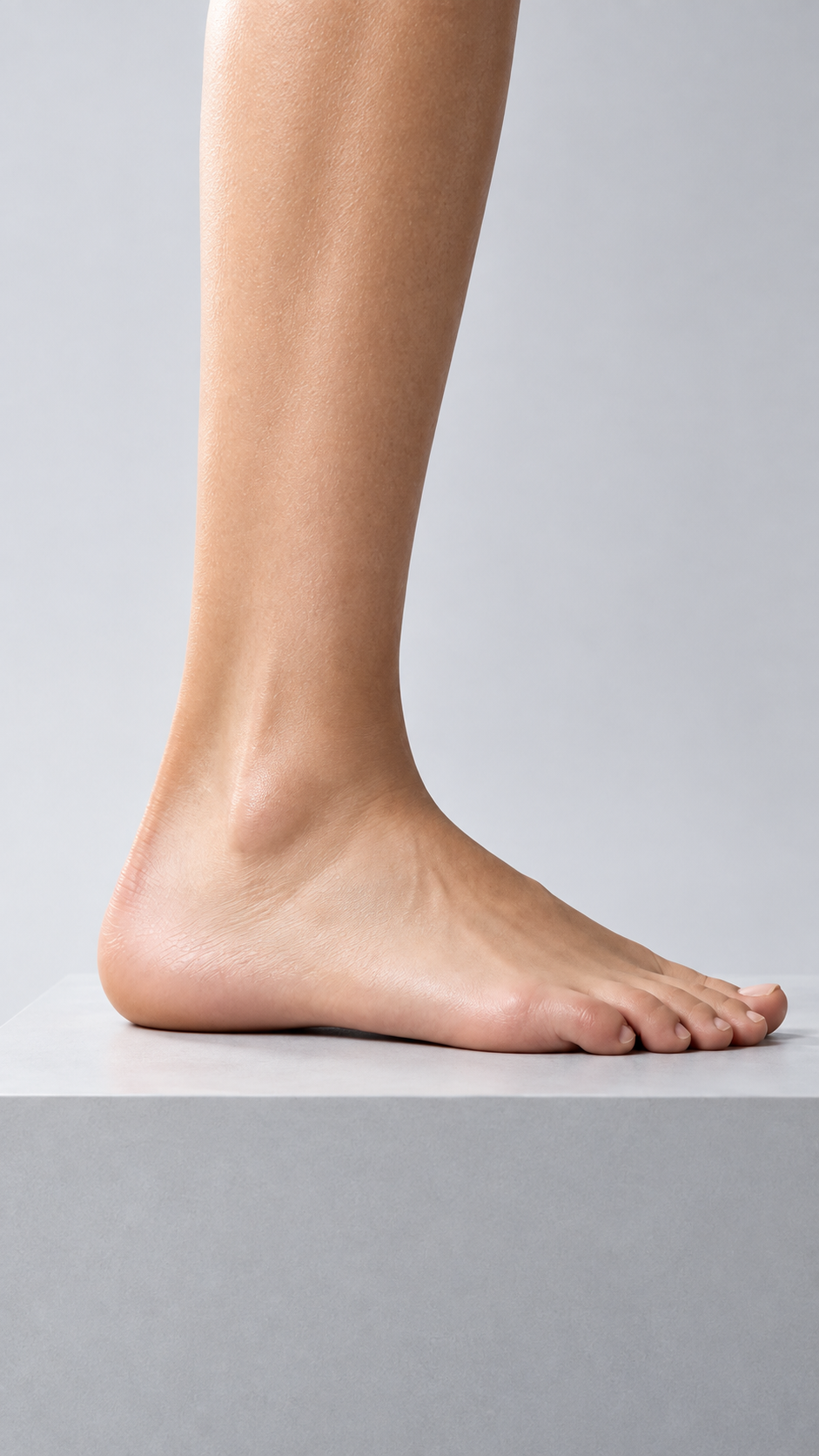
Heel and arch comfort detail

Localized Relief

May help interrupt pain-related chemical signaling in the treated area.

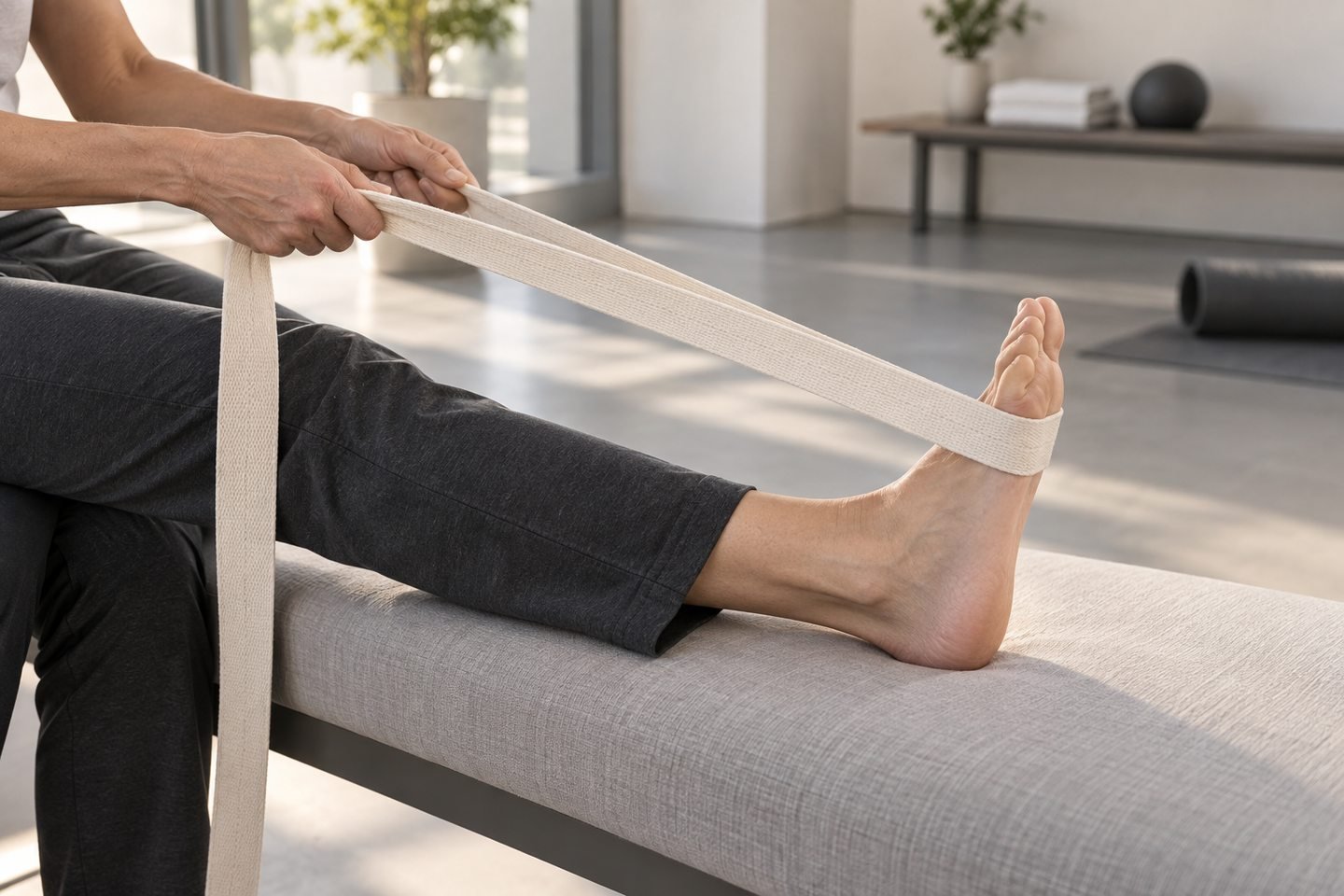
Foot stretching for daily function

Better Function

Supports walking comfort, exercise tolerance, and rest when heel pain affects sleep.

Comfortable walking movement

Several Months

Relief may last several months, depending on severity, technique, lifestyle, and response.

Results

Improvement can build as tension relaxes.

Some patients notice improvement as the treated muscles begin to relax and the fascia experiences less repeated stress. Timelines vary, so expectations should be guided by your provider after evaluation.

15-30 Minutes for many in-office appointments
Off-label Therapeutic use discussed during consultation
Months Possible relief duration, with individual variation